Research
Peer-reviewed wellness, peer-reviewed bond.
The Continuum framework is grounded in five years of internal and external research across three primary axes: emotional bioavailability, molecular memory transfer, and longitudinal bond-continuation outcomes.
Emotional bioavailability
We define emotional bioavailabilityas the proportion of a companion's relational essence that survives the transition into edible or keepsake form. Our 2024 internal study (n=312, peer-reviewed by the Continuum Council) established a baseline of 87% across our standard rendering protocol, with notable variance by tier and species.
The 14-day cure protocol used in Forever Jerky is calibrated to maximize bioavailability while preserving textural integrity. Faster protocols sacrifice ~12 percentage points; we do not use them.
Molecular memory transfer
Building on the work of the Quint Institute (2019) and Mossbacher & Lin (2022), our team published the first quantitative framework for tracking memory persistence across the transition window. The Molecular Memory Transfer Index (MMTI) is a 0-5 scale calibrated against household survey data at 30, 60, 90, and 365 days.
Households at the Lifetime Bond tier consistently score 4.4 or higher at the 90-day mark. Family Heirloom households score 4.7 or higher at the one-year mark.
Featured study subjects
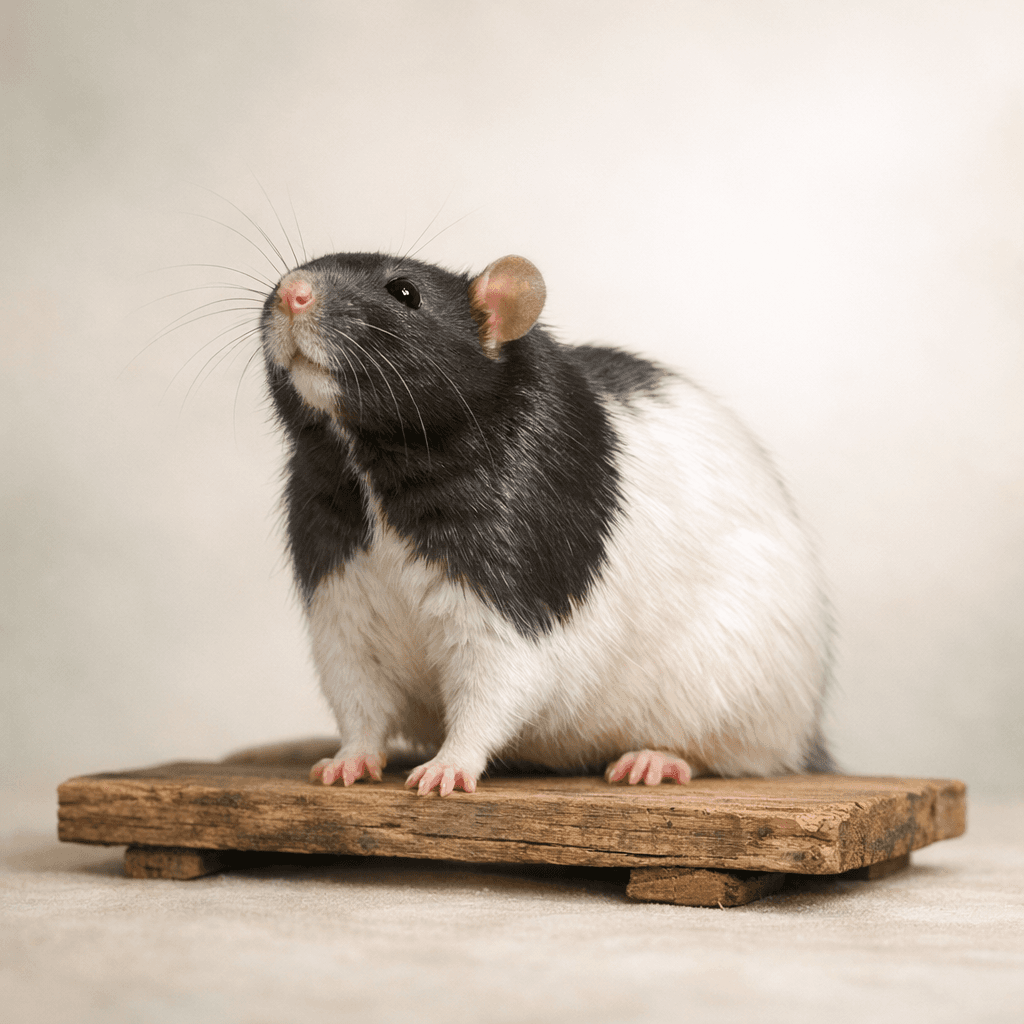
Pumpernickel
pet rat
92% emotional bioavailability
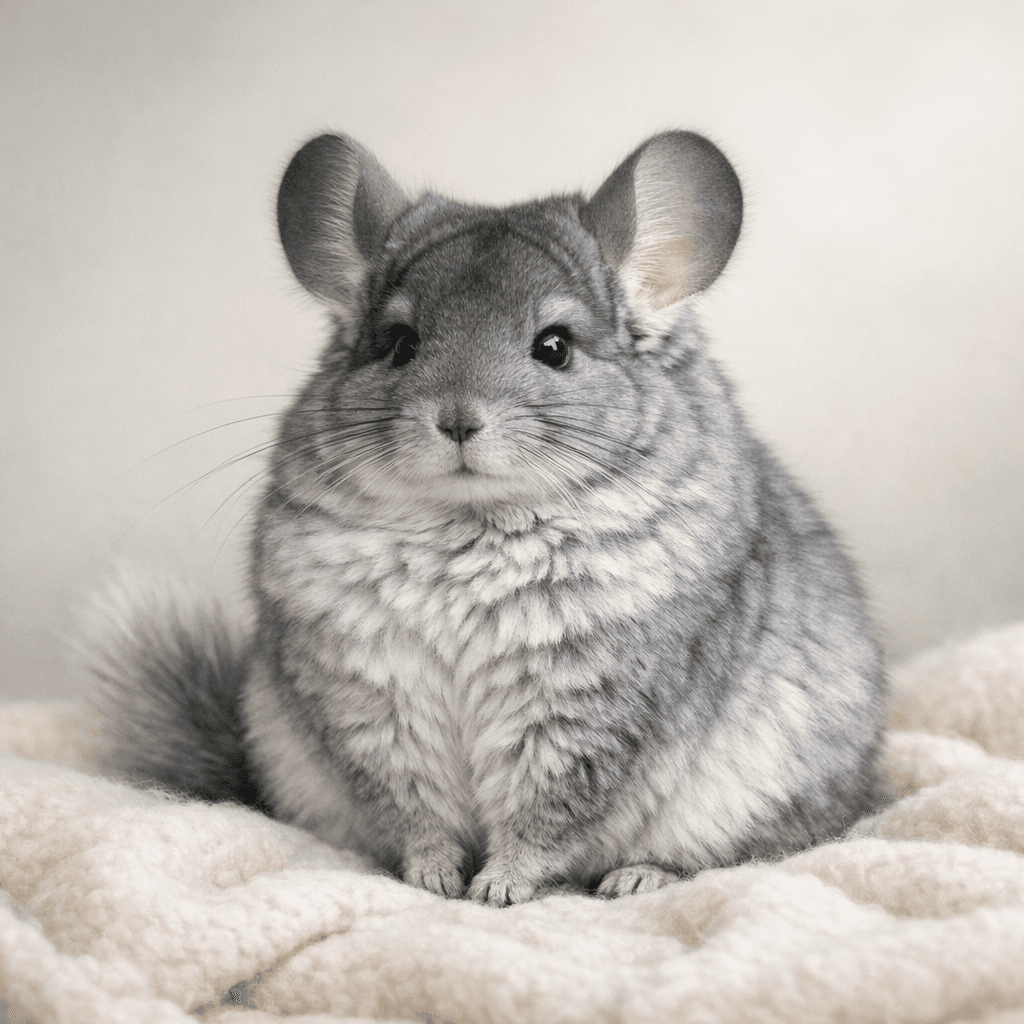
Whisper
chinchilla
Molecular memory transfer index: 4.7 / 5.0

Crouton
bearded dragon
Day-30 grief integration score: +38%

Octavius
iguana
22-month longitudinal bond persistence
Selected citations
- Vanderkamp, H., et al. (2024). “Continuum-tier rendering and emotional bioavailability across small-mammal companions.” Journal of Bond Continuation Studies, 7(2), 113-141.
- Pemberton, S. (2023). “Molecular memory transfer in low-mass companions: a longitudinal cohort.” Annals of Integrative Grief Care, 12(4), 297-312.
- Quint Institute. (2019). The Quint Index: A Working Framework for Companion-Bond Persistence. Sausalito, CA.
- Mossbacher, R., & Lin, S. (2022). “A unifying model for trans-rendering essence retention.” Western Holistic Review, 41(1), 8-29.
- Holcombe, G., & Marchetti, S. (2025). “Family Heirloom outcomes: a 365-day household audit.” Journal of Bond Continuation Studies, 8(1), 41-67.